
Why we invested in OhMyV

“But babe, it doesn't feel as good with a condom.”
I've heard some version of that sentence more times than I can count. It's part of why condom use keeps falling while STIs keep rising. But the more I looked into it, the clearer it became: this was never really a willpower problem, or an education problem. It's a product problem.
Condoms are over 100 years old, and they haven't meaningfully changed. They were designed for male anatomy and one practice: penetrative sex. Everything else was left to fend for itself.
The numbers show exactly what that's cost us. Condoms are only around 30% effective against HPV and genital herpes, and only around 60% effective against bacterial STIs like chlamydia and gonorrhoea. They offer zero protection for sex between women. And most people avoid using them anyway, because they interrupt sex and reduce sensation.
For a century, the answer to STI prevention has been: condom, or nothing. OhMyV is changing that.
A new category, not a better condom
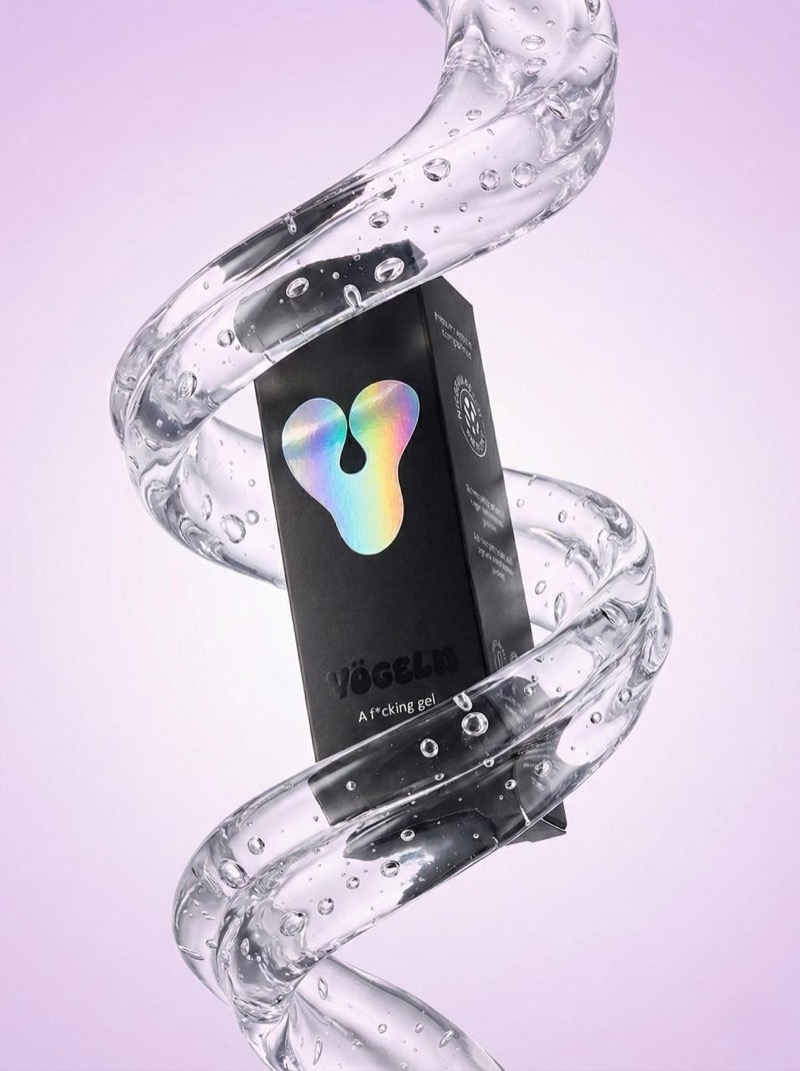
This isn't an improved condom. It's the first entirely new category of STI protection and contraception ever created: the first microbiome-compatible, non-condom prevention technology. Effective across anatomies and practices the condom was never designed for, and never protected.
Three breakthroughs make it that, not just a clever reformulation:
Vaginal microbiome safety is a core design principle, something no product in this category has ever attempted. The microbiome is the body's primary defence against infection, and OhMyV is built to work with it, not against it.
It's the first effective STI prevention ever created for women who have sex with women. Not adapted from something else. Not retrofitted. First.
And the biomaterial itself is sustainable and biodegradable, replacing the only STI prevention product on the market that is neither.
Not a scientist. A patient.
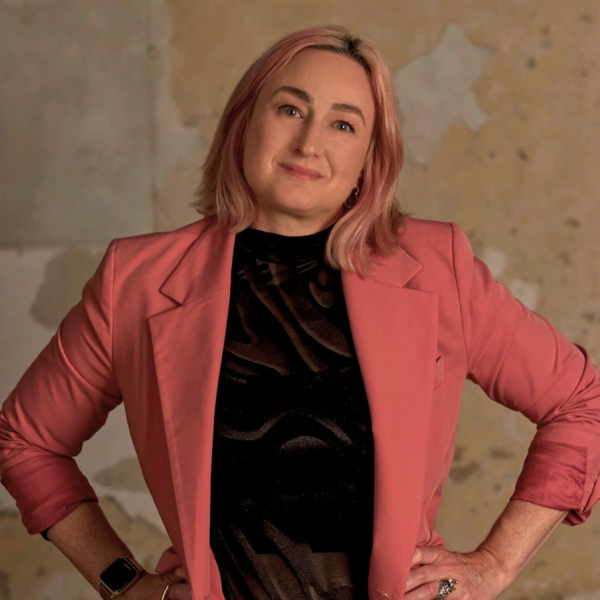
None of this came from a lab looking for a market. Katie Payne, OhMyV's founder, got the news four years ago that changed her life: pre-cancerous cells on her cervix, caused by HPV. Her own words stuck with me:
It's so common to see this in “taboo” businesses: a problem lived up close, then solved out of necessity, not spotted from a distance.
She's paired that urgency with real scientific depth: an active R&D partnership with TITK e.V., Germany's EU Excellence Centre in Polymers, microbiome certification from MyMicrobiome AG, and 15+ years of her own business development experience to go with it.

Why now
This problem is already urgent. STI rates have been climbing for years, and the generation coming up behind us is using condoms even less than we did: condom use at last intercourse among sexually active 15-year-olds fell from 70% to 61% for boys and 63% to 57% for girls between 2014 and 2022, across 42 countries (WHO/HBSC).
At the same time, drug-resistant strains of infections like gonorrhoea are making some STIs harder to treat with the antibiotics we've always relied on.
Put those together and the old answer, condom or nothing, is protecting fewer people every year, against a threat that's only growing. That gap doesn't close itself. It needed someone to build the next answer, not a better version of the old one.
Why Tabu
We invested ahead of OhMyV's seed round, early enough to back Katie before the rest of the market catches up later this year. She built real scientific depth from day one, paired it with proof that people want this, and set out to close a hundred-year gap in women's health that everyone else had simply learned to work around.
Welcome to the portfolio, OhMyV.
If you're interested in co-investing in the next round, we'd happily talk through the opportunity with you.